Mapping the Progression of Loyalty Reward Structures and Their Role in Shaping Decision Patterns Within Regulated Digital Card Game Platforms
Wendy Berger · Oct 2, 2026
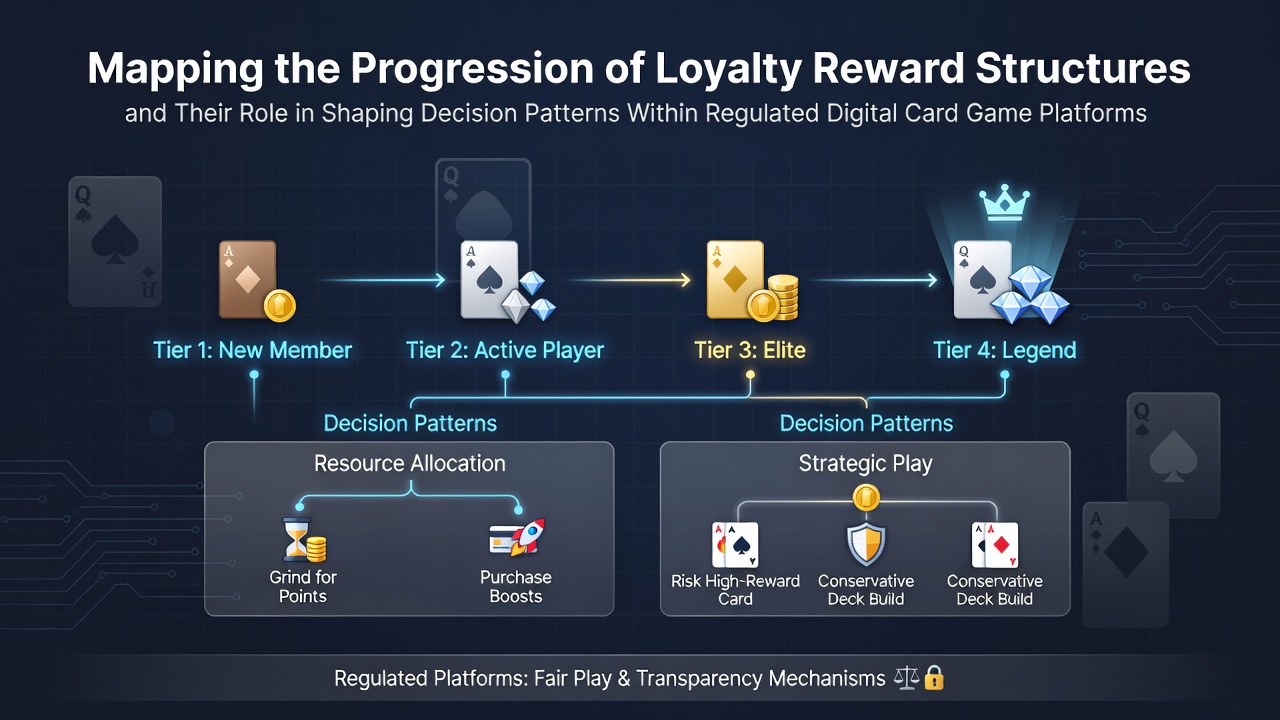
Mapping the Progression of Loyalty Reward Structures and Their Role in Shaping Decision Patterns Within Regulated Digital Card Game Platforms
Regulated digital card game platforms have tracked loyalty reward structures through multiple phases since the early 2000s, with each stage introducing tiered point systems that accumulate based on play volume and session duration. Data compiled by industry monitoring groups shows these structures began as simple cashback mechanisms before expanding into multi-level programs that unlock progressive benefits such as exclusive tournament entries and customized deck options.
Researchers at academic institutions have documented how early reward models relied on flat percentage returns, whereas later iterations incorporated behavioral triggers that adjust point multipliers according to game type and stake levels. One study released in 2024 examined platforms operating under Nevada Gaming Control Board oversight and found that players who reached mid-tier status altered their session lengths by an average of 18 percent compared with base-level accounts.
Initial Development of Reward Mechanisms
Platform operators first introduced loyalty points in the mid-2000s as retention tools that credited users for consistent participation in poker and blackjack rooms, and these points converted directly into deposit bonuses without additional conditions. Regulatory filings from that period indicate the structures remained linear, with each hand or round generating a fixed number of points regardless of outcome.
By the 2010s, operators began segmenting rewards into bronze, silver, and gold categories that required cumulative activity thresholds, and this segmentation coincided with the rollout of mobile applications that recorded play patterns in real time. Figures from Australian regulatory reports reveal that platforms adopting these tiers observed measurable shifts in average bet sizes among users who approached the next qualification level.
Integration with Decision Analytics
Modern loyalty frameworks embed decision-shaping elements through dynamic multipliers that activate during specific time windows or game variants, and these features draw from aggregated player data to predict and influence choices such as table selection or fold frequency. Studies conducted by European research consortia have linked the presence of time-limited point boosts to increased participation in higher-variance card formats.
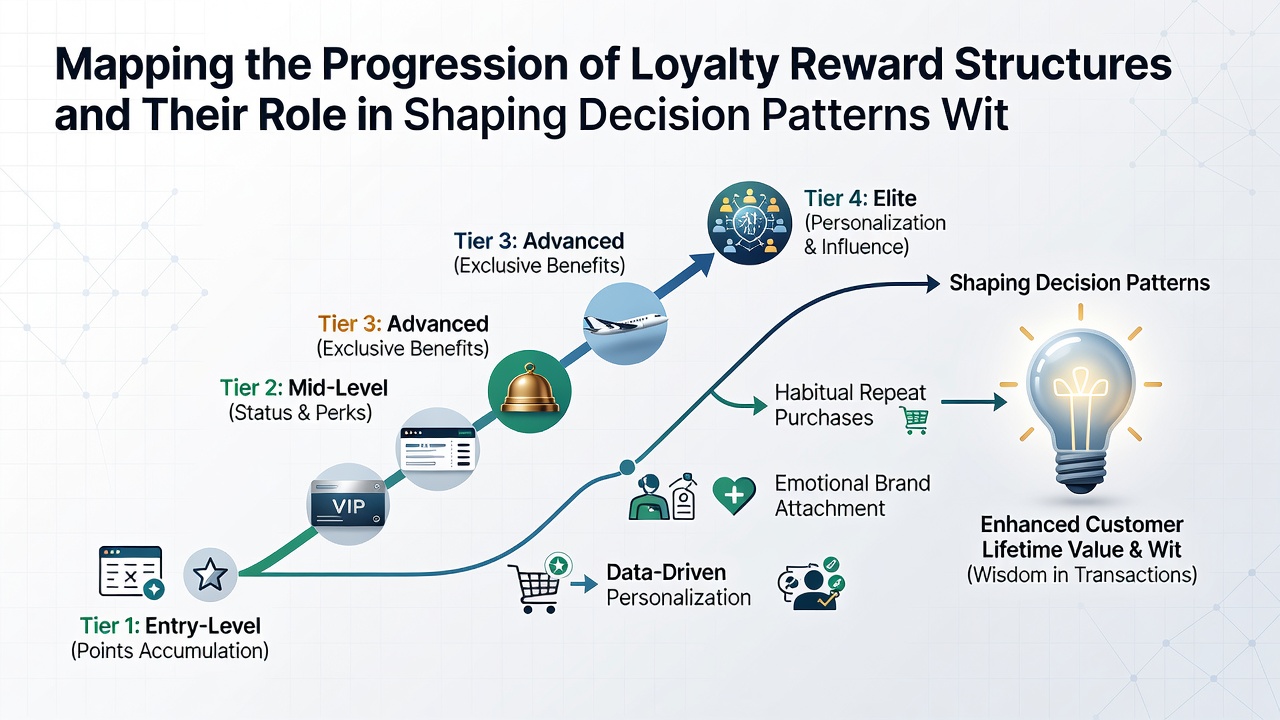
Observers note that as of October 2026, several licensed operators have incorporated machine-learning modules that recalibrate reward rates based on individual hand histories, thereby guiding users toward games that align with platform volume targets. Canadian provincial data indicates these adjustments correlate with changes in session frequency among users who monitor their progress toward annual loyalty milestones.
Regulatory Oversight and Structural Adjustments
Regulators across multiple jurisdictions require operators to publish clear rules governing point expiration and redemption values, and these disclosures have prompted refinements that tie rewards more closely to responsible play indicators. Reports from the New Jersey Division of Gaming Enforcement document how transparency mandates led platforms to separate loyalty benefits from promotional wagering requirements.
Industry associations have compiled cross-platform comparisons showing that reward structures emphasizing long-term accumulation rather than short-term bonuses produce steadier engagement patterns. One analysis covering Asian regulated markets found that users in higher tiers demonstrated more consistent bankroll management across multi-table sessions.
Impact on Player Behavior Patterns
Decision patterns shift when loyalty progress bars become visible during gameplay, as users weigh immediate outcomes against the potential loss of accumulated points. Research papers from university-led investigations demonstrate that visible progress indicators increase the likelihood of continued play even after significant losses, particularly in digital environments where session tracking occurs automatically.
Take one case where operators introduced milestone celebrations for tier advancement, and data showed corresponding spikes in deposit activity immediately following those notifications. Platforms under Singapore regulatory frameworks have since implemented cooling-off periods that pause point accrual during extended sessions, resulting in altered timing of player returns.
Future Mapping and Data Integration
Current mapping efforts focus on integrating loyalty data with broader compliance systems to identify patterns that may warrant intervention, and these efforts rely on anonymized datasets shared among operators and oversight bodies. Trade group publications from 2025 onward emphasize the need for standardized metrics that allow comparison of reward influence across different regulatory environments.
Evidence suggests continued refinement will occur through partnerships between platform developers and academic researchers who specialize in behavioral economics, and these collaborations aim to produce models that forecast decision changes at each loyalty threshold. Platforms continue to adjust structures in response to regulatory updates while maintaining the core objective of sustaining user engagement within established legal boundaries.
Conclusion
The progression of loyalty reward structures reflects a sustained effort by regulated digital card game platforms to align user activity with operational goals while operating under documented oversight. Data from multiple regions shows these systems have evolved from basic accumulation models to sophisticated frameworks that incorporate real-time analytics and behavioral triggers. Ongoing monitoring by regulatory and research entities ensures that the influence on decision patterns remains measurable and subject to established compliance standards.