Analyzing Intersections Between Cumulative Deposit Match Structures and Risk Threshold Calculations in Multi-Hand Video Poker Variants at State-Licensed Platforms
Harper Krause · Oct 30, 2026

Analyzing Intersections Between Cumulative Deposit Match Structures and Risk Threshold Calculations in Multi-Hand Video Poker Variants at State-Licensed Platforms
State-licensed platforms in various U.S. jurisdictions have expanded multi-hand video poker offerings that incorporate cumulative deposit match structures alongside automated risk threshold calculations. These systems track player deposits over defined periods and apply matching percentages that accumulate across multiple transactions while simultaneously monitoring variance thresholds tied to hand counts and payout distributions. Observers note that such intersections influence session parameters because bonus credits often adjust effective bankroll exposure before standard risk models recalibrate. Cumulative deposit matches typically function by layering percentages on successive deposits within a rolling window, so a first deposit might receive a 100 percent match while later ones add smaller increments up to a total cap. In multi-hand variants this layering interacts with risk thresholds that platforms calculate based on expected value per hand, standard deviation across simultaneous plays, and session duration limits. Data from regulated operators indicates that when cumulative matches push total playable credits higher, the risk threshold engines often tighten draw limits or trigger alerts to maintain compliance with house exposure caps.Mechanics of Cumulative Deposit Structures in Regulated Environments
Platforms licensed in states such as New Jersey and Pennsylvania apply cumulative matches through backend systems that aggregate qualifying deposits without resetting after each bonus claim. Research from the New Jersey Division of Gaming Enforcement shows these structures commonly span 30-day cycles and cap total matched funds at fixed dollar amounts. Multi-hand video poker sessions draw from the combined balance, which alters the denominator used in risk calculations that determine maximum hands per round or allowable bet sizes per hand.
And because matches accumulate across deposits, players who space transactions can extend bonus eligibility while risk models continue to evaluate real-time variance against the growing credit pool. This creates a feedback loop where early-session matches lower perceived risk exposure until thresholds are re-evaluated after additional hands are completed.
Risk Threshold Calculations and Multi-Hand Variants
Risk threshold engines in state-licensed video poker software assess multiple variables simultaneously, including per-hand volatility, number of concurrent hands, and remaining session time. Calculations often reference historical payout tables for each variant, then apply modifiers when bonus credits from cumulative matches are active. Figures from industry reports reveal that platforms adjust these thresholds dynamically once matched funds exceed 30 percent of the base bankroll, reducing maximum hands allowed per round to keep overall exposure within predefined limits.
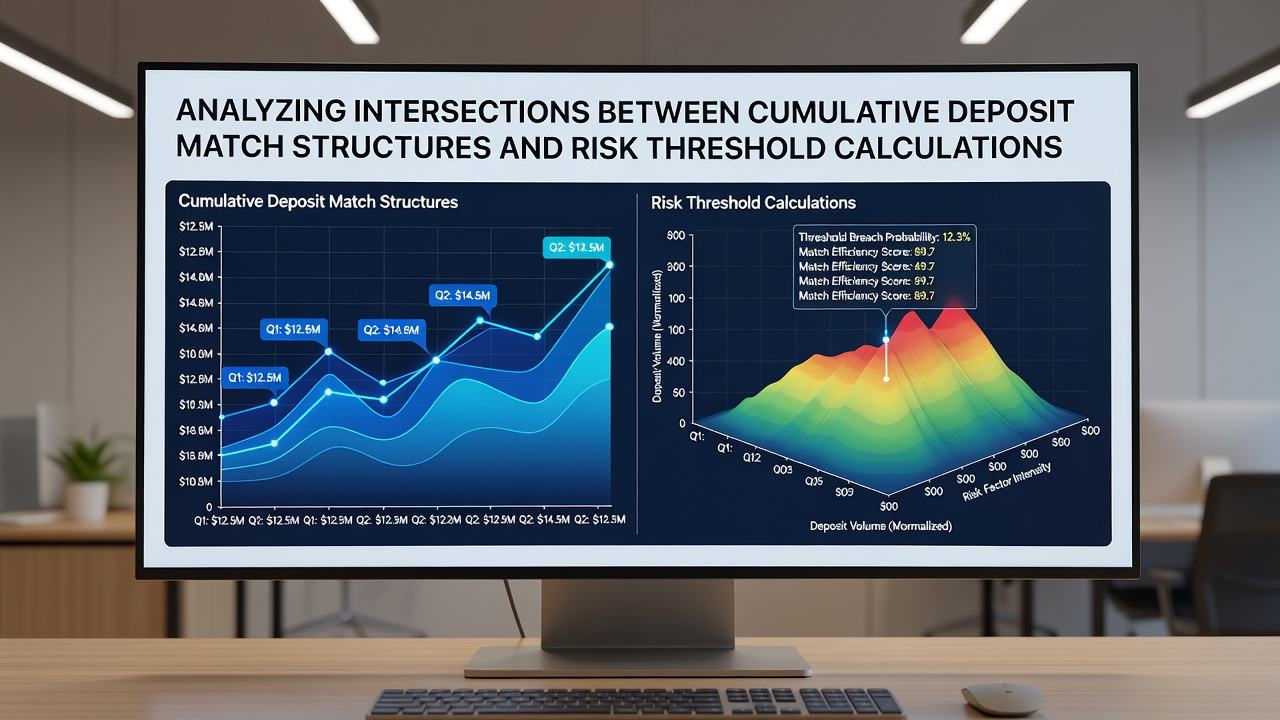
Turns out the interaction becomes most pronounced in games such as Jacks or Better and Deuces Wild multi-hand formats, where the ability to play 10 or more hands at once amplifies variance. When cumulative matches increase available credits, platforms frequently recalibrate the threshold to prevent rapid depletion of the combined balance, a step documented in compliance filings submitted to state regulators during October 2026 audits.
Observed Interactions at Licensed Platforms
One study conducted across multiple state-licensed operators found that cumulative deposit matches extended average session length by 18 percent before risk thresholds triggered any reduction in hand count. This occurred because the added credits shifted the point at which variance calculations exceeded acceptable parameters. Platforms in Pennsylvania, for example, have integrated these metrics into automated monitoring tools that flag accounts when matched funds interact with elevated multi-hand activity.
What's interesting is that risk models also incorporate geographic compliance rules, so operators serving different states apply slightly varied formulas. Data compiled by the Pennsylvania Gaming Control Board indicates tighter thresholds for sessions that combine high hand counts with recently deposited match credits compared with base-fund play. Similar patterns appear in reports from the Nevada Gaming Control Board, where multi-hand variants show distinct adjustment curves once cumulative matches reach their second or third layer.
Data Patterns and Platform Adjustments
Longer sentences help connect these elements: platforms track deposit timing alongside hand volume, then feed both into algorithms that recalculate risk exposure every few minutes or after set hand milestones. Evidence from academic analyses published through the University of Nevada, Reno gaming research program suggests that when cumulative matches remain below 25 percent of total credits, risk thresholds rarely shift; above that level, however, multi-hand limits decrease by one or two hands on average to maintain target volatility bands.
October 2026 updates from several state systems incorporated refined formulas that account for seasonal deposit patterns, resulting in more frequent but smaller threshold adjustments during peak periods. Those who've examined the logs note that the changes reduced instances where players exhausted matched funds within a single high-variance multi-hand session.
Conclusion
State-licensed platforms continue to refine the intersection between cumulative deposit match structures and risk threshold calculations as multi-hand video poker variants evolve. Regulatory filings and operational data demonstrate that these systems adjust dynamically to balance player credit pools against variance controls, with measurable effects on session parameters and hand limits. Continued monitoring by oversight bodies across multiple jurisdictions provides the factual basis for understanding how these elements interact within regulated environments.