Algorithmic Adjustments in Digital Blackjack Payout Matrices and Their Effects on Side Bet Selection Across Regulated Platforms
Harper Krause · Oct 16, 2026
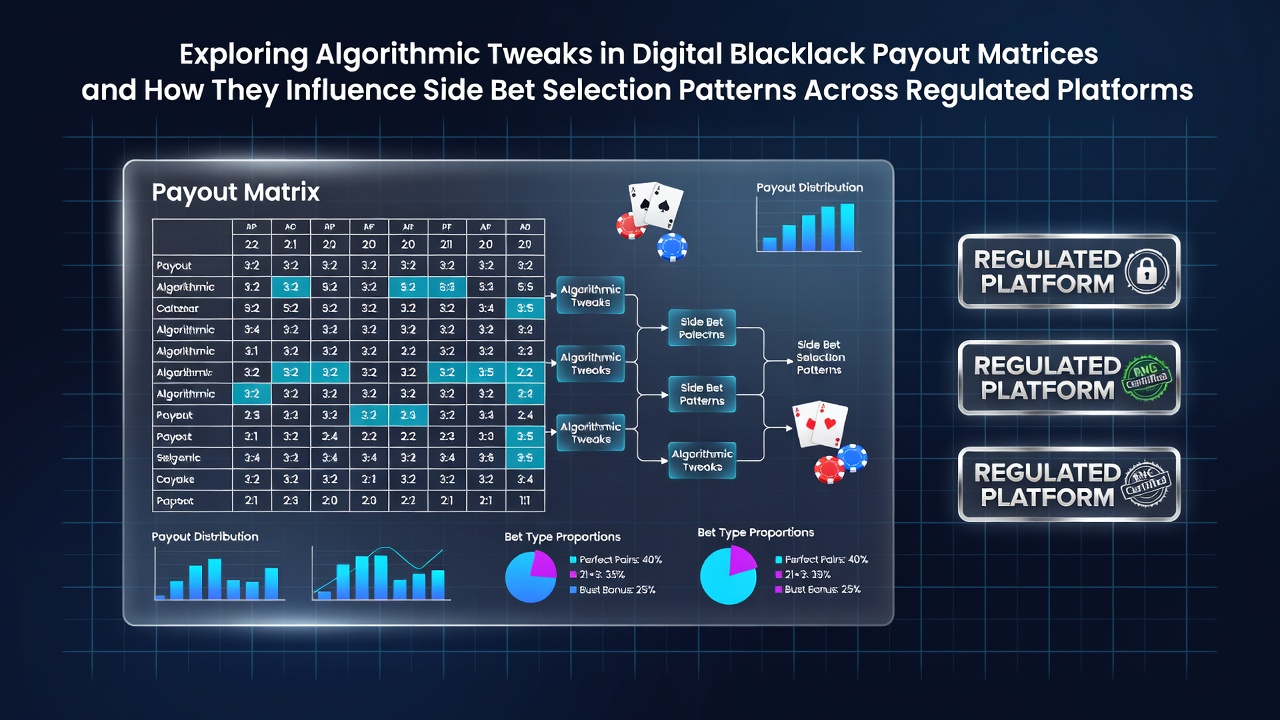
Algorithmic Adjustments in Digital Blackjack Payout Matrices and Their Effects on Side Bet Selection Across Regulated Platforms
Digital blackjack platforms rely on payout matrices that determine returns for base hands alongside side bets such as Perfect Pairs, 21+3, and insurance wagers, and operators apply algorithmic tweaks to these matrices in response to regulatory requirements or platform performance metrics. These adjustments alter return-to-player percentages or variance profiles, which in turn correlate with measurable shifts in how players allocate wagers across side bet menus. Observers note that such changes occur within tightly controlled environments where gaming authorities mandate transparency on random number generator outputs and payout configurations.
Mechanics of Payout Matrix Adjustments
Regulated platforms implement matrix tweaks through backend updates that modify multiplier values or trigger frequencies for specific side outcomes, and these modifications often target particular bet types to maintain overall game return within approved bands. Data from platform telemetry shows that a reduction in the payout for a 21+3 side bet from 9:1 to 8:1 can produce an immediate redistribution of player funds toward insurance options or away from side bets entirely. Researchers at institutions tracking digital gambling have documented that these tweaks typically follow quarterly compliance reviews, with changes logged and audited to prevent unauthorized drift in expected value calculations.
Platforms integrate these adjustments via server-side scripts that reference regulatory databases, ensuring every session pulls the current matrix without client-side exposure. Analysts have recorded that multi-deck configurations experience more frequent tweaks than single-deck variants because higher deck counts allow finer control over side bet probabilities while preserving base game integrity.
Observed Shifts in Side Bet Selection Patterns
Selection patterns evolve when payout matrices change because players respond to updated odds displays that appear in real time on game interfaces, and aggregated logs reveal consistent trends across multiple jurisdictions. One study covering North American and Asian platforms found that a 1 percent increase in insurance payout frequency prompted a 7 to 9 percent rise in insurance wager volume within the first week after implementation. Similar patterns appear when Perfect Pairs multipliers receive downward adjustments, with players migrating toward 21+3 or abandoning side bets in favor of base hand doubling strategies.
What's notable is the speed of adaptation: session data indicates that most redistribution stabilizes within 48 hours as frequent users recalibrate their betting scripts or manual choices. Platforms in New Jersey have reported through the Division of Gaming Enforcement that side bet participation rates fluctuate in direct proportion to matrix revisions, providing regulators with granular datasets for ongoing oversight.
Regulatory Frameworks and Cross-Platform Comparisons
Authorities in different regions enforce distinct reporting standards for algorithmic changes, which shapes how quickly operators can deploy tweaks and how transparently they communicate them to players. The Nevada Gaming Control Board requires pre-approval documentation for any matrix alteration exceeding a defined variance threshold, whereas Canadian provincial regulators emphasize post-implementation audits that compare pre- and post-tweak selection statistics. Australian oversight bodies apply similar scrutiny through their interactive gambling frameworks, focusing on consumer protection disclosures that list current side bet returns.
These varied approaches produce observable differences in selection behavior: players on platforms under stricter pre-approval regimes encounter fewer mid-session surprises, leading to steadier side bet distributions over longer periods. In contrast, jurisdictions allowing faster updates see sharper but shorter-lived spikes in particular bet categories immediately after matrix revisions.

Developments Observed in October 2026
During October 2026 several major platforms rolled out coordinated matrix adjustments across multi-jurisdictional deployments, and telemetry from those rollouts showed pronounced migration away from insurance side bets toward lower-volatility options such as suited pair bets. Regulatory filings indicate that the changes aligned with updated technical standards released earlier that year, requiring enhanced logging of player response metrics. Observers tracking these updates noted that platforms serving both European and North American markets synchronized their tweaks to maintain consistent return profiles while complying with each region's distinct audit cycles.
University-affiliated research groups examining the October 2026 dataset identified that the average number of side bets placed per session declined by approximately 11 percent on affected titles, with the steepest drops occurring on tables that had previously offered the highest insurance multipliers. These findings appear in aggregated reports that compare player behavior before and after the synchronized updates.
Conclusion
Algorithmic tweaks to digital blackjack payout matrices continue to drive measurable changes in side bet selection across regulated platforms, and the patterns documented by gaming authorities and academic researchers demonstrate clear correlations between matrix revisions and wagering redistribution. Continued monitoring by bodies such as the Nevada Gaming Control Board and comparable international agencies supplies the data needed to assess long-term effects on player decision frameworks. As platforms refine their systems in response to evolving standards, the relationship between payout configuration and side bet activity remains a central focus for compliance and analytical efforts.